
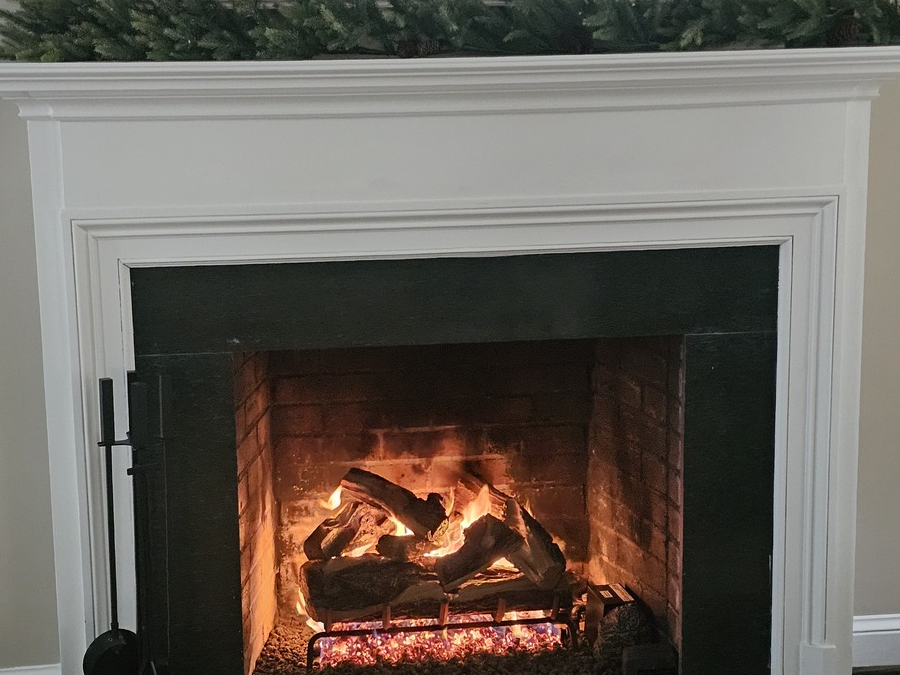
If you’ve spent any amount of time shopping for a fireplace or a log set, you’ve almost certainly encountered “vented vs. vent-free” at some point. Here, I’ll go over some of the main technical differences between vented and vent-free fireplaces.
*Always check with your local hearth trade professional and local codes to determine what is legal and safe to install in your home.
For a video Buyer’s Guide on the same topic, please go here!
VENTED FIREPLACES
A fireplace or log set that is “vented” means the exhaust from the fire goes outside. The way it does this can vary, but the core principle is to take the exhaust fumes from combustion and move them to the outside atmosphere, so you aren’t breathing them in your home.
Exhaust gases from vented fireplaces typically contain a lot of stuff you don’t want to breathe, including high concentrations of carbon monoxide (CO), aldehydes (yes, like formaldehyde), and unburned carbon particulate (soot). Obviously, you do not want these in your living space considering they tend to be quite incompatible with good health and prolonged life.
Direct Vent
Fireplace vent systems take several different forms, with most modern gas fireplaces using what’s called “direct vent” systems. These draw air into the fire from outside and then send the exhaust back outside, meaning they don’t communicate with your living space at all. Direct vent systems for gas fireplaces are ideal for maximum efficiency and heating.
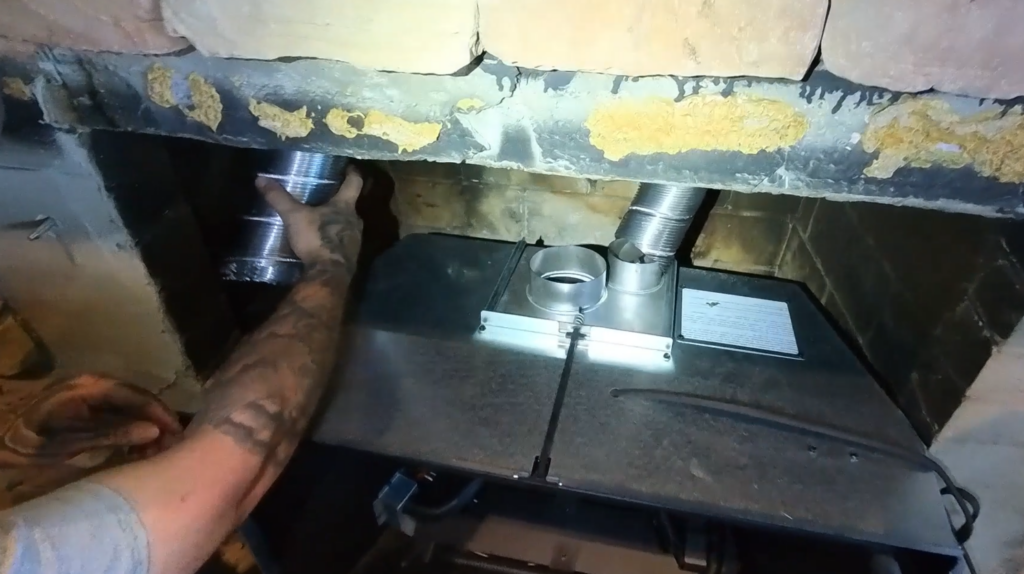
Log Sets
Vented gas log sets typically use a “natural draft” to convey the exhaust outside. That means the air from inside your home moves into the fireplace for combustion, and then the natural draft established by the heat of the fire carries the exhaust up the chimney and to the outdoors. Natural draft vent systems tend to have much lower efficiency than direct vent, and are susceptible to reverse venting, depending on atmospheric conditions and the local air pressure inside your home.
Exhaust Gas Composition
Since vented fireplaces and log sets send the exhaust outside, they can burn with a richer fuel-to-air mixture (more fuel, less air). A richer fuel to air mixture is what gives you those nice yellow and orange flames that are so aesthetically pleasing. This is actually the result of incomplete combustion (not enough oxygen for the amount of fuel to burn all the fuel completely) and the reason you have high concentrations of carbon monoxide and those other chemicals in the exhaust. It’s an intentional trade-off between aesthetics and efficiency. Most people don’t want to look at a fireplace that resembles a stovetop or BBQ burner.
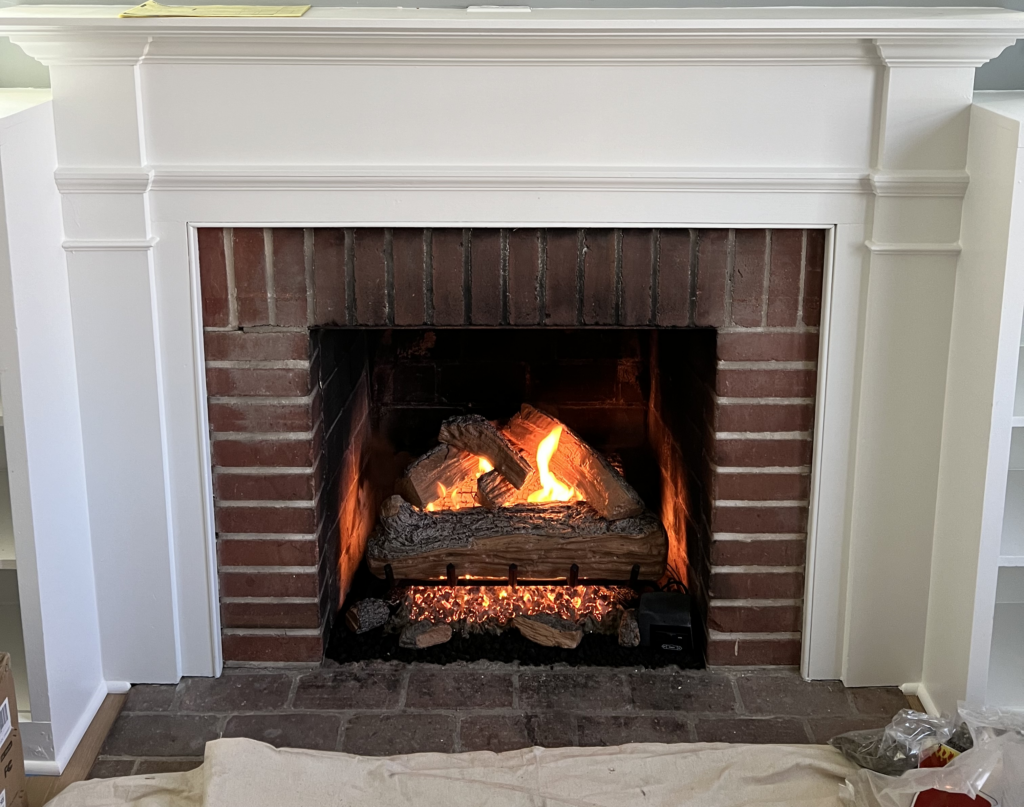
So, if burning fuel gas creates these chemicals that you don’t want to breathe, how in the world does a vent-free fireplace work and what makes it safe?
VENT-FREE FIREPLACES & LOG SETS
I want to be perfectly transparent here. Vent-free fireplaces and log sets are not suitable for everyone and every scenario. In fact, if a vented unit is at all feasible, I will most likely recommend going that route over a vent-free unit, with a few specific exceptions. Not because vent-free units are inherently unsafe (they are absolutely safe in the general sense), but because there are some drawbacks that tend to make them less than ideal for certain people and certain scenarios.
How They Work
First, let’s understand exactly how a vent-free fireplace or log set works. Just like with vented units, vent-free units will draw in fresh air to use for combustion. Unlike vented units, the exhaust can be sent directly back into the home. There are a couple of key safety measures in place that make this possible.
Vent-free units have a very specific fuel-to-air ratio set from the factory, usually in a way that prevents it from being easily changed later. This allows the flame to burn very cleanly, with effectively little or no carbon monoxide, aldehydes, or soot. If any of these chemicals are produced, they tend to be far below the maximum safe limits, assuming everything is working properly.
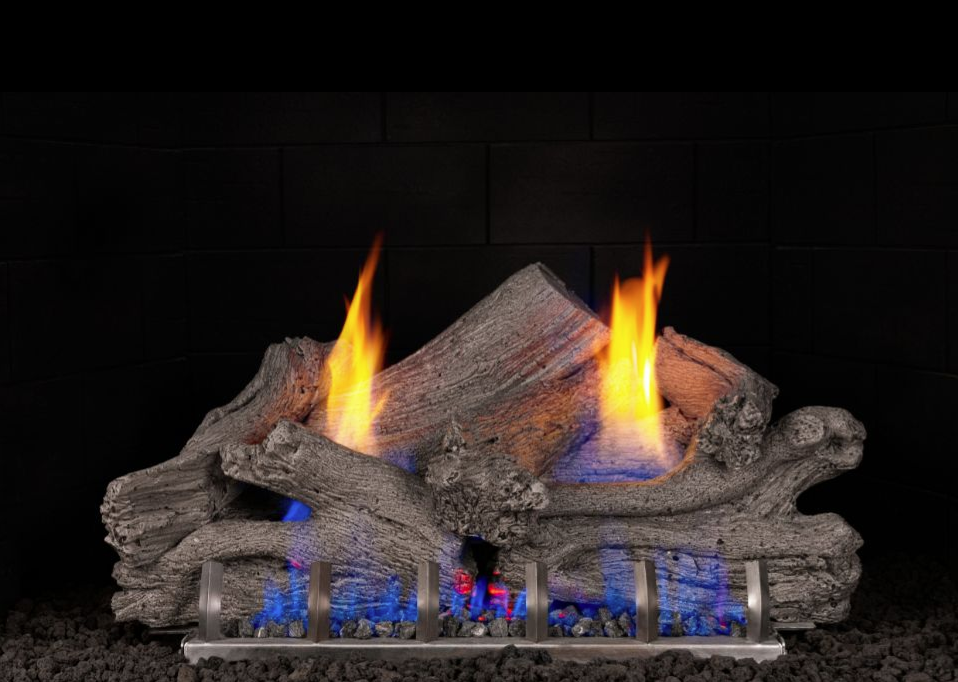
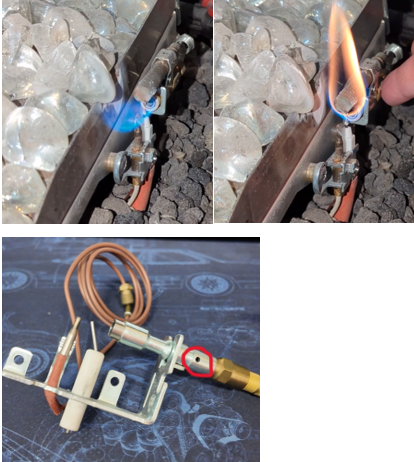
Additionally, listed vent-free fireplaces and log sets are equipped with something called an “ODS” or “Oxygen Depletion Sensor.” This device is integrated with the pilot assembly and is designed to shut the pilot off and disable the unit if oxygen levels decrease past a certain point.
ODS – Oxygen Depletion Sensor
If you look at an ODS pilot assembly, you’ll notice that there is a small hole towards the back end. This hole is engineered to allow a specific amount of air for the pilot to use. Since the concentration of oxygen in the air is relatively constant, the pilot can be tuned to use just enough for a good flame. If the concentration of oxygen in the air drops, the pilot no longer has enough oxygen, shrinks in size, and pulls off the thermocouple, shutting the gas control valve and disabling the unit. It’s a very simple design and it works incredibly well.
Why might oxygen levels drop?
To be clear, when we’re talking about oxygen levels dropping, we’re talking about an incredibly small amount. These systems are designed to shut off well before there is any real threat to your health.
Some of the reasons oxygen levels may drop:
1) The vent-free unit is not burning properly.
This is, in fact, the main purpose of the ODS. If the unit isn’t burning properly, the air around it gets contaminated, displacing the oxygen, and the unit shuts off.
2) The room volume is insufficient.
There is a standard formula for calculating the proper volume of a room (LxWxH) based on the amount of fuel the unit consumes per hour (BTU/hr) and the amount of fresh air that enters the room per hour (Air Changes per Hour or ACH). If the room volume is too low, the air in the room is used up faster than it is replaced, decreasing the oxygen supply, and the ODS shuts the unit down.
3) The ODS intake hole is clogged with dust or debris.
This is by far the most common reason vent-free fireplaces and log sets shut off. If it’s pulling air into it, it’s also pulling dust and floating debris into it. Eventually, this dust/debris accumulates and blocks the hole enough to shrink the pilot and shut off the unit. The good news is that it’s an easy fix.
Check out our video on this maintenance item here.
When would you recommend a vent-free fireplace or log set?
The most common reasons we install a vent-free fireplace or log set come down to desired heating, price, and often a location within the home that prohibits the installation of a vent system.
Price
Vent-free fireplaces can be significantly cheaper than direct vent fireplaces, largely due to their simplicity and the fact that you don’t have to purchase a vent system. In some cases, purchasing a vent system may mean adding a couple thousand dollars to the overall cost, in both labor and materials.
Heating
Because vent-free fireplaces and log sets can dump the exhaust directly back into the room, that means most of the heat they produce also comes back into the room. Most vent-free units don’t have an official efficiency rating, but since they are engineered to burn incredibly cleanly, and they typically don’t have a vent to the outdoors, you can assume that a very large portion of the heat generated is staying in your home.
By code, most vent-free fireplaces and log sets are capped at a maximum input rating of 40,000 BTUs/hr. But 40,000 BTUs per hour is actually a significant amount of heat when you’re dumping most of it back into the home.
As a rule of thumb, under most average home conditions in the US, 20-30 BTUs/hr per square foot is considered adequate for supplemental heating. That means a 30,000 BTU/hr vent-free fireplace can provide supplemental heating for a space up to about 1,000 to 1,500 square feet. With the average home in the US having about 1,100 – 1,200 square feet per floor, a single vent-free fireplace is likely more than sufficient for most scenarios, unless other factors like poor insulation, leaking windows or doors, or unusually compartmentalized construction are also present.
Venting / Location in Home
Sometimes, the desired location for a fireplace just won’t allow a vent system to be installed. It may be a party wall in a row home, an open floor plan, some other structural obstacles, or aesthetic considerations that prohibit a vent system. In these cases, if everything else lines up, then we will likely recommend a vent-free unit.
What are some reasons you would NOT recommend a vent-free unit?
There are a few different circumstances I would not recommend a vent-free unit, and they all have to do with the exhaust that is dumped back into the home.
Pre-existing Health Conditions
The first, and most serious, circumstance is when someone in the home has any type of breathing or lung condition. This includes asthma, allergies, COPD, and other types of conditions. We don’t ask for specifics about conditions (obviously), but we do make it clear that if anyone has a condition like these, a vent-free fireplace might not be a great fit. It’s just not worth the risk of exacerbating any pre-existing conditions.
Smell Sensitivity
The second is a little bit harder to determine unless the client has been around a vent-free fireplace before, or if you have vent-free units burning in the showroom that the client can be around. Some people can be incredibly sensitive to the particular smell of the exhaust. Some people may not notice anything at all, but there are some people, myself included, who detect an odor that is quite unpleasant. It’s not dangerous, but it is unpleasant, and you don’t want to be spending money to install a new fireplace and then hate it when it’s actually running.
Moisture
Finally, we have to consider the moisture content of the exhaust. This seems counterintuitive because people think about fire and heat as “drying things out,” but the actual chemistry works a bit differently.
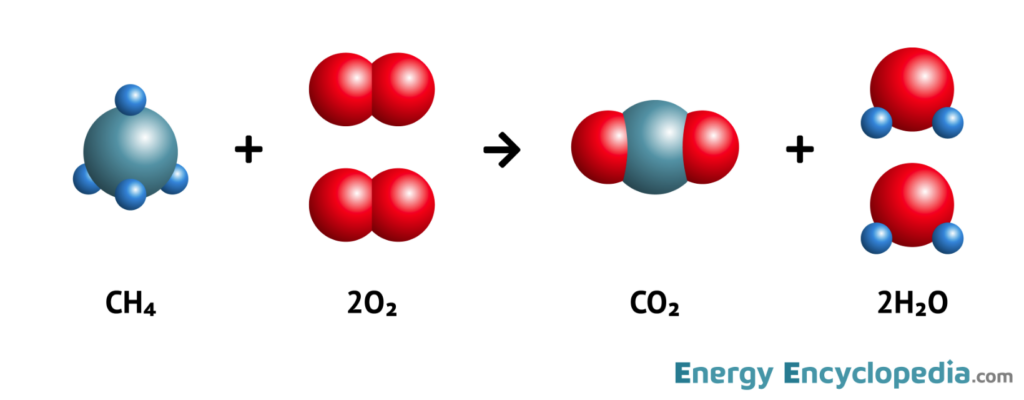
The combustion of fuel gas (natural gas and propane) produces two main compounds in the exhaust – carbon dioxide and water vapor. Generally speaking, about 1 gallon’s worth of water is produced (in vapor form) for approximately every 100,000 BTUs. If you are running a 30,000 BTU appliance, you will be effectively adding 1 gallon of water (in vapor form) to the air in the room every 3.5 hours or so. If the location of the vent-free fireplace is already damp or has mold/moisture issues, then a vent-free fireplace may not be the best idea.
So what’s the bottom line?
Vent-free fireplaces and log sets certainly have applications where they make sense. As long as someone understands exactly what the trade-offs are, I have no problem installing a vent-free unit in their home with full confidence it will safely provide years of comfort. That said, I still try to exhaust all other options that will accomplish the same goal before recommending a vent-free fireplace. Not because they’re inherently unsafe, but because there are just often better options available (direct vent gas, electric, etc.) when you take the drawbacks into account.